|
|
|
|
|
1
|
Joseph's mother Rachel was barren, and her pregnancy was the result of the direct intervention of God (Gen. 30:2).
|
|
Yeshua's mother Mary (Miriam) was a virgin and her pregnancy was the result of the direct intervention of God (Matt. 1:18).
|
|
2
|
The birth of Rachel's son would remove reproach from Israel (Gen. 30:23).
|
|
The birth of Yeshua was for the glory of the people of Israel (Luke 2:32). Yeshua would also be the Light to the nations...
|
|
3
|
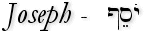
The name Joseph (i.e., yosef: יוֹסֵף) means "may he add," a wordplay given by Rachel to express her hope for more children (Gen. 30:24).
|
|
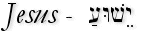
Jesus (Yeshua) means "YHVH saves" and denotes the deliverance of God's children. Through Yeshua God would add children to Israel...
|
|
4
|
Joseph was the firstborn son of Rachel, who is considered "the" matriarch of Israel (Gen. 30:23-24).
|
|
Yeshua was the firstborn son of Mary (Miriam), who is considered the matriarch of the church (Luke 2:7; John 19:26).
|
|
5
|
The birth of Joseph marked the end of Israel's exile from the land; after his birth his father Jacob left Laban for the Promised Land (Gen. 30:25).
|
|
The birth of Yeshua marked the end of Israel's spiritual exile (Luke 2:29-32).
|
|
6
|
In Jewish tradition, Joseph is regarded as the nemesis of Esau (who was considered the personification of Gentile power and oppression of Israel).
|
|
Yeshua overcame the powers of darkness by through the victory of the cross. He is the "Serpent Slayer," the ultimate nemesis of Satan and his servants...
|
|
7
|
Joseph was a precocious young man who was filled with dreams given to him from heaven (Gen. 37:5-ff).
|
|
Yeshua was at the Temple discussing Torah with the sages when he was just 12 years old (Luke 2:42-51). He was a precocious child who was filled with dreams of heaven.
|
|
8
|
Joseph was "beloved of his father" (Gen. 37:3). He was ben yachid (בֵּן יָחִיד) as Isaac was regarded by Abraham (see the Akedah).
|
|
"This is my beloved Son, in whom I am well pleased" (Matt. 3:17; 17:5). Yeshua is also described as ben yachid, "only begotten" of the Father (John 1:14).
|
|
9
|
Joseph was a shepherd (רוֹעֶה)
(Gen. 37:2).
|
|
Yeshua the Messiah is called the "Good Shepherd" (הָרעֶה הַטּוֹב) (John 10:11).
|
|
10
|
Joseph was raised in the Promised Land (Gen. 37:2).
|
|
Yeshua was raised in the Promised Land (Matt. 2:23; 21:11; John 1:45).
|
|
11
|
Joseph brought a bad report of his brothers to his father (Gen. 37:2).
|
|
Yeshua testified that the world hated Him because its works were evil (John 7:7).
|
|
12
|
Jacob loved Joseph more than his other sons (Gen. 37:3).
|
|
God loves Yeshua His Son in a unique way (John 3:35; 5:20; Matt. 17:5; Luke 9:35).
|
|
13
|
Joseph was "anointed" by his father with a tunic of many colors (i.e., ketonet passim: כְּתנֶת פַּסִּים). (Gen. 37:3)
|
|
Yeshua was anointed as Mashiach ben David (Heb 1:9; Psalm 45:7; see below).
|
|
14
|
Joseph prophetically foresaw himself as the deliverer of Israel and the savior of the world (Gen. 37:5-11).
|
|
Yeshua understood Himself to be the Savior of Israel and the world (John 6:35; 8:12).
|
|
15
|
Joseph's brothers hated him and could not speak kindly to him (Gen. 37:4).
|
|
Yeshua was hated without a cause and repeatedly "tested" by the religious authorities (John 1:11; 15:25).
|
|
16
|
Joseph was a dreamer and a prophet who was despised by his brothers (Gen. 37:5-10).
|
|
Yeshua preached the message of salvation through His vision of the kingdom - and was despised (John 5:18; 7:1; 8:6; Matt. 16:1, etc.).
|
|
17
|
Joseph's brothers refused his rule
(Gen. 37:8).
|
|
Yeshua likened His rejection by the religious leaders to mean, "We do not want this man to rule over us" (Luke 19:14).
|
|
18
|
Joseph's brothers envied him
(Gen. 37:11).
|
|
It was out of envy (קִנְאָה) that the chief priests handed him over to be killed (Mark 15:10).
|
|
19
|
Joseph was "sent forth by his father" (Gen. 37:12-14).
|
|
Yeshua sent forth by His Father
(John 5:30-36; 6:57; 8:18,42; Gal. 4:4; 1 John 4:9, etc.).
|
|
20
|
Joseph's brothers conspired to kill him (Gen. 37:18).
|
|
The chief priests and the elders of the people conferred together against Yeshua in order to bring about his death (Matt. 27:1).
|
|
21
|
Joseph's brothers disbelieved in him (Gen. 37:19-20).
|
|
Yeshua's brothers did not believe in Him
(John 1:11; 3:18, John 3:36, etc.).
|
|
22
|
Joseph's brothers stripped him of his tunic and mocked him (Gen. 37:19,23).
|
|
They stripped him and put a scarlet robe on him (Matt. 27:28).
|
|
23
|
Joseph's brothers cast him into a pit, a symbol of the tomb (Gen. 37:24).
|
|
Yeshua was cast into a pit (Zech. 9:11; Matt. 12:40; Matt. 27:59-60).
|
|
24
|
Joseph's brothers callously ate a meal while he was suffering in the pit (Gen. 37:25).
|
|
Israel ate the Pascal meal while Yeshua was in the pit (John 13:1).
|
|
25
|
Judah promoted the idea that Joseph's life should be ransomed (Gen. 37:26-27).
|
|
Yeshua was born of the tribe of Judah and became the Redeemer of the world.
|
|
26
|
Joseph's brothers sold him for shekels of silver (Gen. 37:28).
|
|
"They paid him (Judas) thirty pieces of silver" (Matt. 26:15).
|
|
27
|
Joseph was raised from the pit
(Gen. 37:28).
|
|
Yeshua was raised from the dead
(Matt. 28:6; Mark 16:16; Luke 24:6; John 20:1-17; etc.).
|
|
28
|
Joseph was sold as a slave before he was promoted to glory (Gen. 37:28).
|
|
Yeshua took upon Himself the form of a suffering servant before His exaltation
(John 13:12-17; Matt. 20:25-26; Mark 10:43; Phil. 2:6-9, etc.).
|
|
29
|
Joseph was taken into Egypt to avoid being killed (Gen. 37:28).
|
|
Yeshua was taken into Egypt to avoid the insane wrath of "Herod the Great" (Matt. 2:13-14).
|
|
30
|
Joseph's tunic was covered with blood (Gen. 37:31)
|
|
Yeshua's robe was covered with blood.
(Mark 15:17-20; Matt. 27:28-31). Yeshua redeemed us from judgment by shedding His blood for our sins (1 Cor. 6:19-20; Acts 5:31; 1 Pet. 3:18; Rom. 5:6-8, 2 Cor. 5:21; Gal. 3:13, etc.).
|
|
31
|
Joseph became a slave in Potiphar's house (Gen. 39:1)
|
|
Yeshua took upon Himself the form of a suffering servant before His exaltation
(John 13:12-17; Matt. 20:25-26; Mark 10:43; Phil. 2:6-9, etc.)
|
|
32
|
The LORD was with Joseph in his humiliation and prospered him (Gen. 39:2).
|
|
Yeshua grew in wisdom and favor (Luke 2:40); He always did those things that pleased the Father (John 8:29).
|
|
33
|
Joseph was made an overseer
(Gen. 39:4).
|
|
Yeshua is the Shepherd and Overseer (מַשְׁגִּיחַ) of our souls (1 Pet. 2:25; John 3:35; Matt 28:18).
|
|
34
|
Joseph was tempted but did not sin (Gen. 39:7-10).
|
|
Yeshua was tempted in every way yet was without sin (Heb. 2:18; 4:15; 2 Cor. 5:21; 1 John 3:5).
|
|
35
|
Joseph was falsely accused and indeed the Torah does not attribute any sin to him (Gen. 39:11-20; 40:15).
|
|
Yeshua was falsely accused by the religious authorities (Luke 23:4;14-15; John 18:38; 19:4; Heb. 7:26; 1 Pet. 2:22; 1 Pet. 3:18).
|
|
36
|
Joseph's legal accuser (Potiphar) likely believed in his innocence, but perverted justice to "save face."
|
|
Yeshua was unjustly condemned by the Roman procurator Pilate, who believed in his innocence but sentenced him to death to "save face."
|
|
37
|
Joseph made no defense before the Gentile authorities (Gen. 39:19-20).
|
|
"He questioned him at some length, but he made no answer" (Luke 23:9; Matt. 27:14; Acts 8:32; Isa 53:7; etc.).
|
|
38
|
Joseph was imprisoned with two other criminals (Gen. 40:2-3).
|
|
"Two others also, who were criminals, were led away to be put to death with him."
(Luke 23:32; Matt. 27:38; Mark 15:27; John 19:18).
|
|
39
|
Joseph was a prophet who could interpret dreams (Gen. 40:5-41:32).
|
|
Yeshua was a prophet who could reveal what was hidden in the heart (John 4:19,29).
|
|
40
|
Joseph was filled with the Spirit of God (רוּחַ אֱלהִים) and great wisdom (Gen. 41:38-39).
|
|
God anointed Yeshua with the Holy Spirit and with power (Acts 10:38; Matt. 3:16-4:1; Luke 4:1; etc.). He was full of wisdom and truth.
|
|
41
|
Joseph was finally vindicated and exalted over the entire world (Gen. 41:40-42).
|
|
"The Son of Man is seated at the right hand of Power" (Matt. 26:64; Acts 7:56; 1 Pet. 3:22; Eph. 1:18-20, etc.).
|
|
42
|
Joseph was raised from the pit and given fine linen and gold (Gen. 41:42).
|
|
Yeshua was clothed with his preincarnate glory after the resurrection (Matt. 17:1; Rev. 1:13-17; Dan. 10:5-6).
|
|
43
|
Pharoah ordered the royal criers to walk in front of Joseph's chariot (merkavah) shouting, avrekh! (אַבְרֵךְ) - "bow the knee!" (from the root berekh, knee). (Gen. 41:43)
|
|
Every knee shall bow to Yeshua the Messiah (Isa. 45:23; Rom. 14:11; Phil. 2:9-11).
|
|
44
|
Joseph was given a foreign bride (אָסְנַת) (Gen. 41:45).
|
|
Yeshua's followers are called the "Bride of Messiah," and are taken from every tribe and tongue (John 6:37; Rev. 22:17, etc.).
|
|
45
|
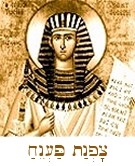
Joseph was called Tzofnat Pane'ach (צָפְנַת פַּעְנֵחַ), i.e., "Decipherer of Secrets" according to Targum Onkelos (Gen. 41:45).
|
|
Yeshua revealed the Father (John 1:18); He is the revealer "hidden things" (Matt. 13:10-13;35). In Him are hidden all the treasures of wisdom (Col. 2:3).
|
|
46
|
Joseph was 30 years old when he began his public ministry in Egypt (Gen. 41:46).
|
|
Yeshua was 30 years old when He began His public ministry in Israel (Luke 3:23).
|
|
47
|
Joseph became the bread giver to the world (Gen. 41:55).
|
|
Yeshua is Lechem Ha-Chayim, the "Bread of Life" (John 6:35,48-58).
|
|
48
|
Joseph tested his brothers as a disguised Egyptian, and they did not recognize him (Gen. 42:8).
|
|
Yeshua is a disguished Egyptian - a stumbling block and rock of Offence (Isa. 8:14; Rom. 9:33). A "partial hardening" has come upon Israel (Rom. 11:25-26).
|
|
49
|
Judah interceded on behalf of Israel's son Benjamin before Joseph (Gen. 43:9; 44:16-34).
|
|
1) Yeshua will one day intercede (as Mashiach ben David) on behalf of Israel (the Yom Kippur connection of the End of Days); 2) The Jewish people will finally repent and turn to Yeshua as their Savior.
|
|
50
|
After testing his brothers to see if they underwent teshuvah, Joseph finally revealed himself (Gen. 45:1-4).
|
|
During the Great Tribulation, Yeshua will open the eyes of Israel so they finally recognize Him (Luke 13:35; Matt. 24-25).
|
|
51
|
Joseph was revealed to his brothers as Israel's savior (Gen. 45:1-15).
|
|
Yeshua is Israel's true Savior (Acts 13:23; 2 Tim. 1:10; Isa. 43:11). Israel will receive Yeshua at His Second coming (Zech. 12:10; John 19:37; Rom. 11:26; Isa. 59:20, etc.).
|
|
52
|
Joseph became the savior of the entire world (Gen. 45:7).
|
|
God sent his only Son into the world so that we might have life through him (John 4:42; 1 John 4:14). Salvation ultimately means redemption from the curse of sin and death.
|
|
53
|
Joseph was "alive from the dead" for Israel (Gen. 45:26-28).
|
|
"Why do you look for the living among the dead? He is not here, but has risen."
(Matt. 28:6; Mark 16:16; Luke 24:6; John 20:1-17; etc.).
|
|
54
|
Judah led the way of Israel back to the promised land of Goshen (Gen. 46:28).
|
|
Yeshua as Mashiach ben David will lead Israel to the renewed land of promise.
|
|
55
|
Joseph brought Israel before Pharaoh and Jacob blessed the Pharaoh (Gen. 47:7).
|
|
Yeshua will one day bring Israel before the Father - and Israel will then bless the Name of the LORD in the truth (1 Cor. 15:28).
|
|
56
|
Through his faith, Joseph conquered the entire world (Gen. 47:23).
|
|
In the Millennial Kingdom, Yeshua will be the undisputed LORD of the world (Rev. 20:2-6; Zech. 8:3; 14:8; Isa. 2:3; Micah 4:2; etc.).
|
|
57
|
Joseph was crowned with glory and honor (Gen. 41:39-45).
|
|
Yeshua was crowned with glory and honor because of the suffering of His death on behalf of His people (Heb. 2:9; Phil. 2:6-11, Matt. 28:18, etc.).
|
|
58
|
Jacob irrevocably adopted Joseph's two sons, Ephraim and Manasseh, into the family (Gen. 48:3-6). Joshua, Moses' successor, was a descendant of Ephraim...
|
|
Yeshua foretold that there would be one shepherd over one flock (John 10:16). Ultimately there will be one olive tree that represents the redeemed people of God, composed of both Jews and Gentiles (Rom. 11:17-26).
|
|
59
|
Joseph's (Gentile) descendants were incorporated into the commonwealth of ethnic Israel as two great tribes of Israel (Gen. 48:1-5).
|
|
Yeshua's followers are incorporated into the covenants and blessings of ethnic Israel (Eph. 2:12-14).
|
|
60
|
Joseph was given the blessing of the firstborn son (Gen. 49:22-26).
|
|
Yeshua is the "firstborn of creation" who has preeminence over all other prophets, priests, kings, angels (Heb. 1; Col. 1:16-18).
|