|
Asarah B'Tevet and the Birth of Messiah
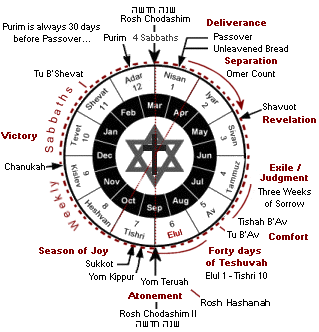
Messianic Jewish scholar Alfred Edersheim wrote that an early Aramaic source document called "The Scroll of Fasts" (i.e., Megillat Ta'anit: מְגִילַת תַעֲנִית), which included additional commentary in medieval Hebrew (called scholium), may refer to the 9th of Tevet as the day of Yeshua's birth (i.e., sometime during late December in our Gregorian calendars). Note that Jewish history regards the month of Tevet to be one of national tragedy, marking the beginning of the destruction of the Holy Temple by Nebuchadnezzar, King of Babylon (in 587 BC). After the destruction of the Second Temple in 70 AD, the early sages might have associated the birth of Yeshua as yet another reason for mourning the loss of the Temple on this date. (For more about the controversial date of the birth of Yeshua, see the article, "Christmas: Was Jesus really born on December 25th?")
|